Understanding Roofing Quality and Installation Standards
Learn what separates a properly installed roof from a shortcut job, and what standards a quality contractor follows.
What makes a roof installation competent
A roof is not just shingles nailed to wood. A complete roofing system includes the deck (the structural base), underlayment (the water barrier), flashing (the sealed joints), ventilation (critical for longevity), and the shingles themselves. Most homeowners never see all five of these components, so a contractor who cuts corners often cuts them where you cannot see the damage until years later. Understanding what a complete system looks like is your first defense against a cheap job that fails early.
When you evaluate a roofing contractor, the questions that matter are not about price. They are about whether the contractor knows the technical standards that govern the work. The National Roofing Contractors Association publishes installation standards that apply to nearly every residential roof in New England. A qualified contractor works to those standards as a baseline, not as an optional upgrade. Many homeowners do not know those standards exist, which is why a contractor who takes shortcuts can often get away with it on the first inspection.
Your task is not to become a roofing expert. Your task is to know enough to spot a contractor who is taking your roof seriously. This guide walks you through the four things that separate a competent installation from a negligent one.
What good installation looks like

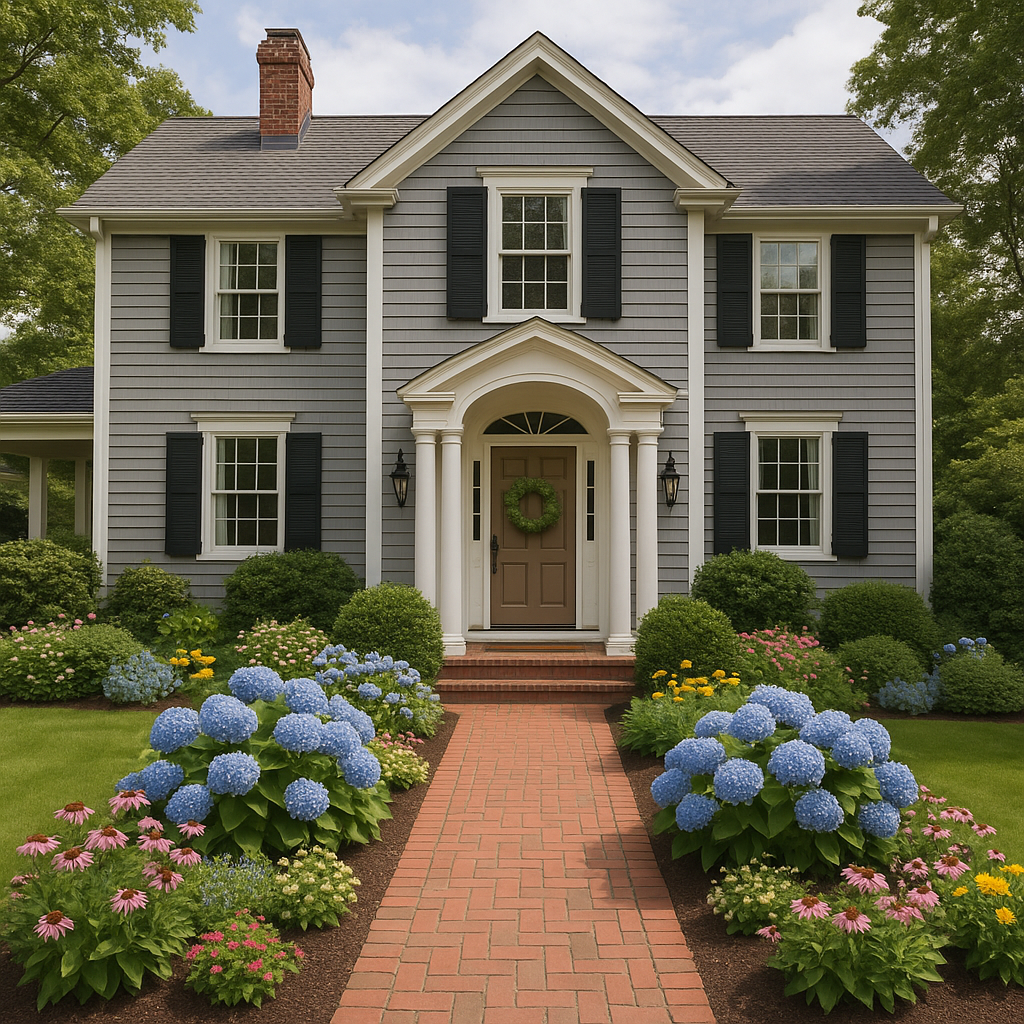
What to look for on site
Underlayment
Before the first shingle goes down, the deck is covered with underlayment—a synthetic or felt barrier that catches leaks from wind-driven rain and from melting snow. A contractor cutting corners uses a single layer and overlaps it incorrectly. A quality installation uses the thickness and overlap specified by the shingle manufacturer and the roofing association.
Flashing detail
The flashing around chimneys, vents, and valleys is sealed with caulk and overlapped in a specific sequence. When installation is done right, water runs down and out. When corners are cut, water pools in the overlap and seeps under the shingles. Flashing is the single most common source of leaks within the first five years of a new roof.
Ventilation
A roof needs to breathe. Attic moisture that cannot escape will rot the deck and shorten the life of the shingles by decades. A properly ventilated roof has balanced intake and exhaust, with nothing blocking the airflow. Many contractors skip this because it is invisible and the homeowner will not know the difference until the roof is failing inside.
How to evaluate what a contractor tells you
What does the manufacturer warranty actually cover?
Shingle manufacturers offer two warranties: a limited warranty that covers material defects (broken shingles, color fading) for 15–25 years, and a workmanship warranty that covers installation mistakes. The workmanship warranty requires the installer to be certified by the manufacturer and to follow their specifications exactly. Many contractors will not register for the manufacturer's workmanship program because it requires annual recertification and stricter oversight. If a contractor cannot offer the manufacturer's workmanship warranty, that is a signal that they do not work to manufacturer spec.
What should the contract say about materials?
The contract should specify the shingle type (asphalt, architectural, premium slate-look, etc.), the thickness and weight per square, the color, and the manufacturer. It should also specify underlayment type, flashing material (aluminum, galvanized, copper), and how many layers will be removed if this is a reroof. A vague contract that says "quality shingles" or "industry standard flashing" is a contract with no teeth. Before signing, match the material specs to the manufacturer's installation guide so you know exactly what you are paying for.
How do I know if the price is low because of shortcuts?
A lowball bid usually reflects one of three things: the contractor uses inferior materials, they skip labor-intensive steps (usually flashing and ventilation), or they are padding other jobs to subsidize this one. The way to test this is to ask the low bidder to walk through each step with you and match it to the written specifications. If they get vague or say "we do it the way that works," that is the moment to use the next contractor on your list.
Common sticking points homeowners should understand
- Why does my new roof cost so much? A material-and-labor estimate for a full roof on a 2,000-square-foot house typically runs $8,000–$15,000 depending on pitch, complexity, and materials. The shingles themselves are 30–40% of that. The labor (removing the old roof, installing underlayment, flashing, and nailing every shingle correctly) is the bulk of the cost, and this is where good contractors differ from cheap ones.
- What if I only need repairs instead of replacement? A good contractor will tell you honestly if your roof can be repaired. Repairing a roof makes sense if less than 25% of the surface is damaged and the underlying structure is sound. Beyond that, a full replacement becomes the better long-term investment because a patchwork roof will keep failing in new places.
- How often should my roof be inspected? After a storm with high winds or falling branches, get a professional inspection. Yearly inspections after year seven or eight are wise if your roof is approaching the middle of its life span. Many contractors offer free inspections and will not pressure you to reroof if you do not need it.
Next step
Once you understand the standards, you can ask intelligent questions of the contractors you are considering. We list contractors in this area who work to roofing industry standards and will walk you through their process. Visit our directory to find vetted options, or read our guide on how to choose a contractor before you pick up the phone.